
2025 - IN REVIEW
I want to begin by sincerely thanking you for your continued interest in my work - for the time you’ve taken to listen to presentations, attend workshops, engage with my photography, and for the encouragement and conversations that make this work so meaningful.
The last 12 months has seen me travel to new locations and revisit some familiar ones. I had lots of fun adventures with photographers I have known for years, as well as with people I met for the first time in 2025.
The life of a nature photographer always seems so glamorous from the outside. There is of course so much more to this creative life than the globetrotting adventures so often portrayed. As a mother to two incredible little ones, there are only so many opportunities to photograph outside of school hours - and, of course, to find silence and solitude in the natural landscape. I grab those opportunities whenever I can, while also acknowledging the energy they give me day to day and cherishing all those little moments together.
WINTER
2025 started uneventfully from a photography perspective. My attention was fully turned to phase two of renovating our property. As with all building work, the predicted amount of time to plan and execute was grossly underestimated but all of this was worth it to make our house feel like a home - both functional and inviting.
February saw the first conference of 2025 - the annual Out Of Chicago Live! event. I tend to find putting together presentations quite draining since they take me so much thought and planning to deliver the right tone and content to each audience. However, I always walk away from these events feeling renewed energy, and this year was no different.
In early March, Viktoria Haack and I led a sold-out workshop in Tofino, here on Vancouver Island, one of my favourite places in the whole world. Despite being drenched by a poorly timed atmospheric river, nothing stopped us getting into the field. It proved to be a laughter-filled and fun-packed few days on the coast with an incredible group of women.
SPRING
During spring break, we made the wild decision to drive as a family from Vancouver Island all the way to Anza Borrego Desert State Park to meet a group of close photography friends. Wild because a 4,500km round road trip might not be the easiest undertaking with children who tend to ask "are we nearly there yet?" 5 minutes into most 20 minute journeys. Thankfully, we were well prepared and made some strategic pitstops at hotels with pools and bunk beds en route. It was my first visit to Anza Borrego and, wow, it did not disappoint. There is something about the spaciousness of any desert landscape that invigorates and excites me, and I found myself playing and experimenting quite a bit with my photography.
In May, I taught a small group workshop in Waterton National Park, AB. It's a fascinating park and a place I am becoming increasingly familiar with. Home to more than 60 species of mammals, the Waterton-Glacier Peace Park is one of the few places in North America where all native carnivores survive. Several different ecological regions meet in Waterton - with prairie plants of the Great Plains, Rocky Mountain plants from northern areas, and coastal plants from the Pacific Northwest which overlap to create four different ecoregions: foothills parkland, montane, subalpine, and alpine. As a result, Waterton has the highest plant diversity of any of the parks in the Canadian Rockies - and the end of May is an incredible time of year to photograph the plants and the wider landscapes.
Immediately after the workshop, I joined friends and colleagues at the Lightchasers conference. I never cease to be amazed by the community and camaraderie that Shane Turgeon has created through the conference. As I have done in the past, I left filled with energy and excitement.
SUMMER
Summer is usually the quietest time for photography for me, not because there is less to photograph, but because for 10 weeks, school is out and the time is filled with family fun - camping trips, beach walks, swimming and endless hours playing in the backyard. If I had to pick a resolution for 2026, it would be to photograph my own garden more than I did this year.
Judging for the Natural Landscape Photography Awards was also a summer affair, culminating with a long discussion for choosing the finalists in early September. One of the things I respect most about this competition is the understanding that appreciation of art and photography is subjective so the time and space given to discussion underpins its success - we are not relying on numbers and votes to decide who gets to win a category, but triangulating the thoughts of each of the individual photographers on the panel to reach a collective decision.
AUTUMN
One of the things I noticed when I first moved to coastal British Columbia from the UK is that changes in seasons tend to happen more abruptly. True to form, after 4 months with near zero rainfall, the Pacific Northwest rains arrived in style in autumn. A huge storm rolled in the first week of October and, just like that, we moved from summer to autumn.
The following week I was grateful that the storms had died down when I crossed the Juan de Fuca Strait with fellow Canadian, Richard Martin, to join the Out Of Chicago team in Olympic National Park. The conference was seamlessly organised as they always are, and I had a blast teaching with my friend Alex Noriega who, coincidentally, I had first met way back in 2016 in the park.
Other than a few local walks for photography, the end of the year was rather quiet in terms of field trips but I have been busy working on projects in the background. I'm not sure the images below are favourites as such but they are an expressive representation of me at various points throughout the year. Despite the undeniable connections I have made through social media over the years, it still feels like a somewhat 'hollow' place to share work. To that end, I will try to make slightly more frequent blog posts in 2026 than I have done to date!
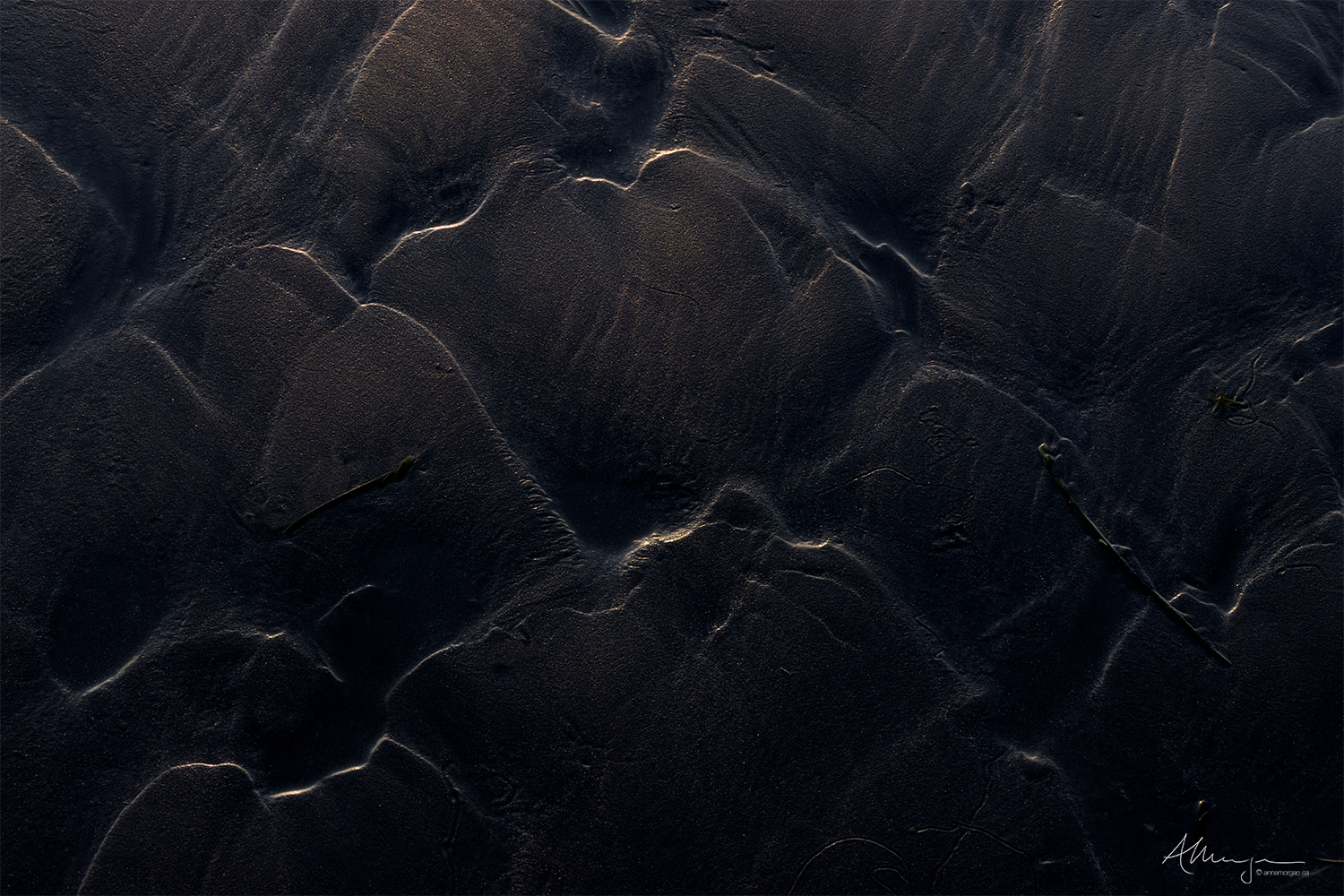
Light falling on ripples in the sand gives the illusion of mountain layers receding into the distance.
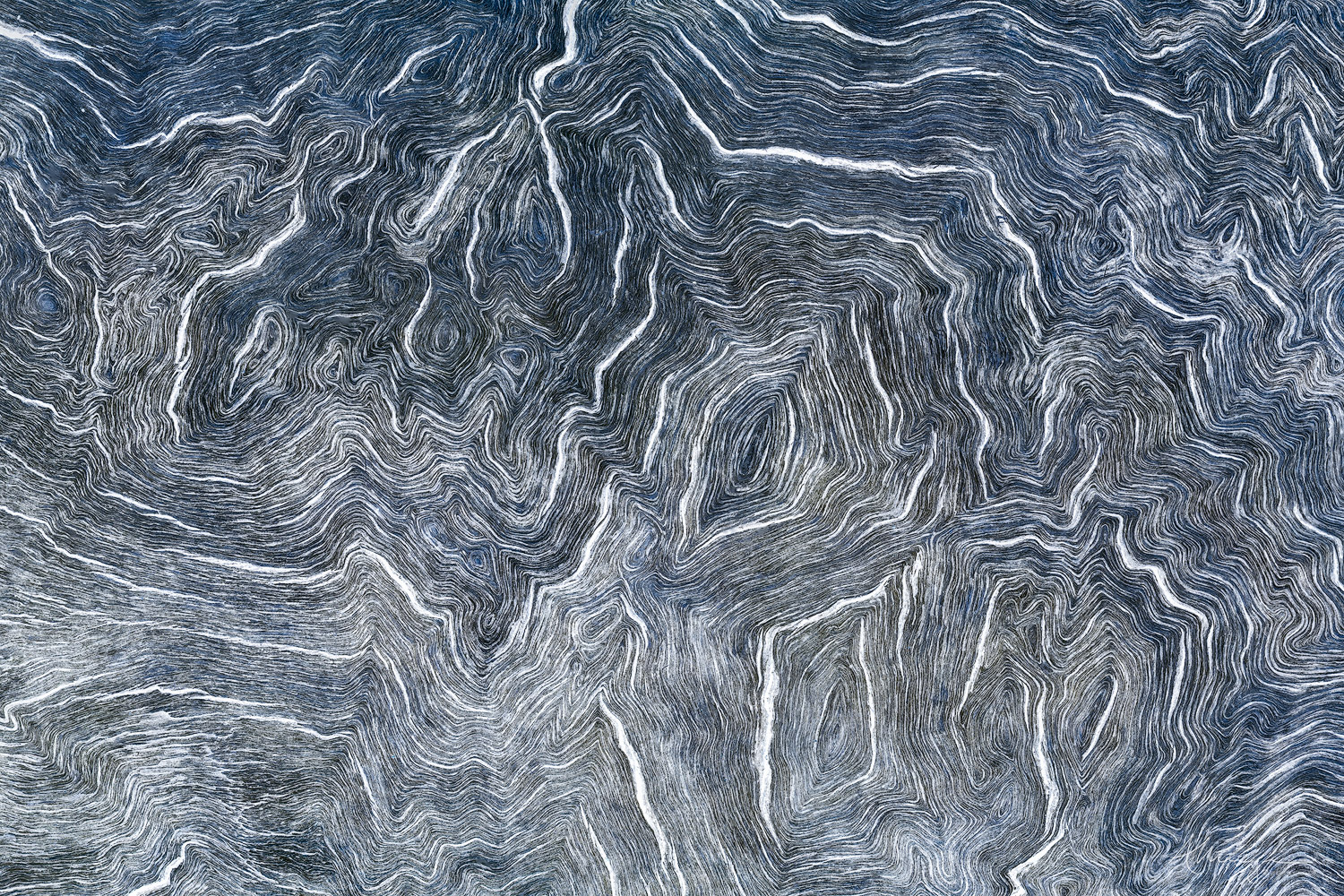
The timeless topographic patterns 'etched' into weathered wood.
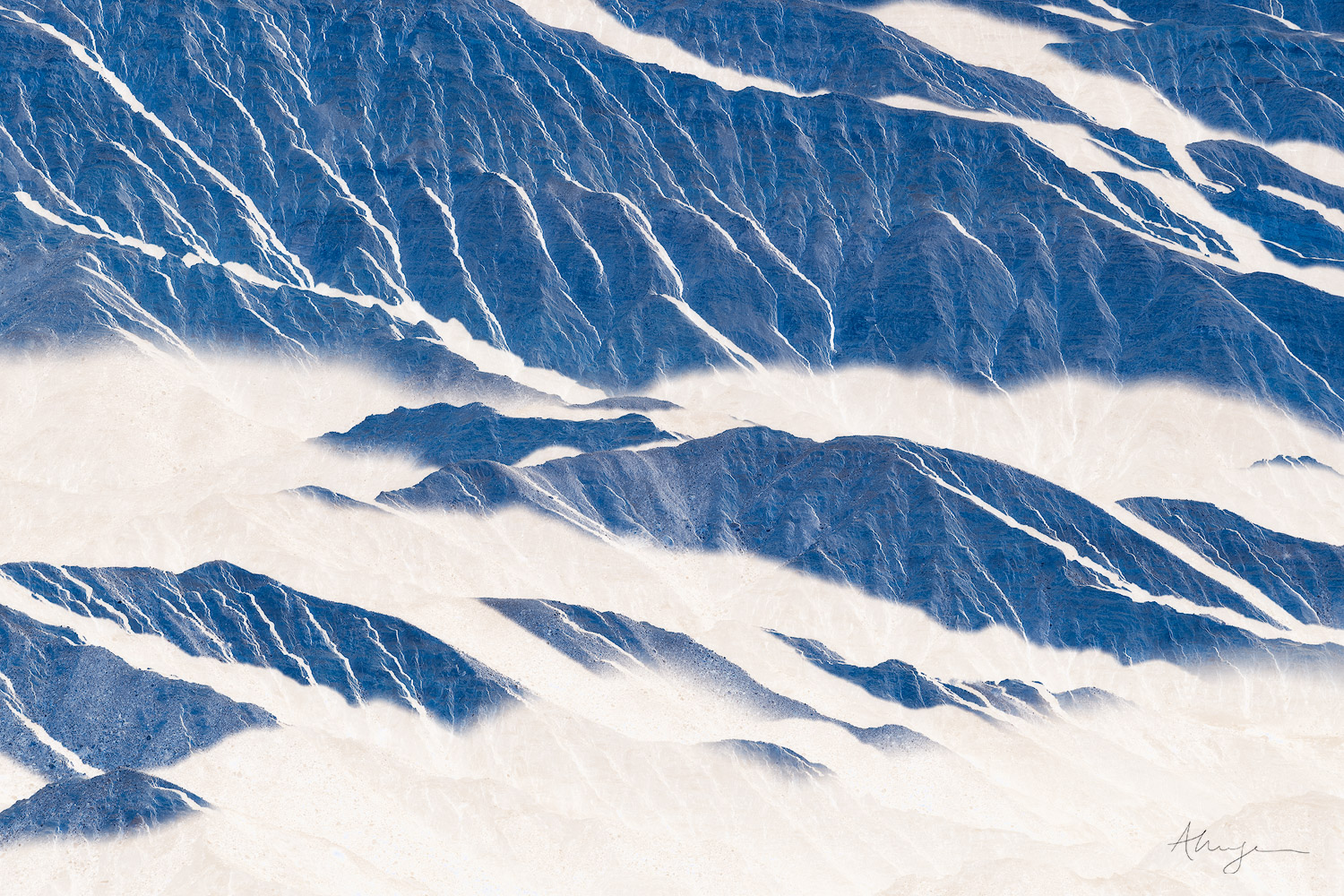
Referring to the how complex systems - animals, machines, and organisations - sense their environment.
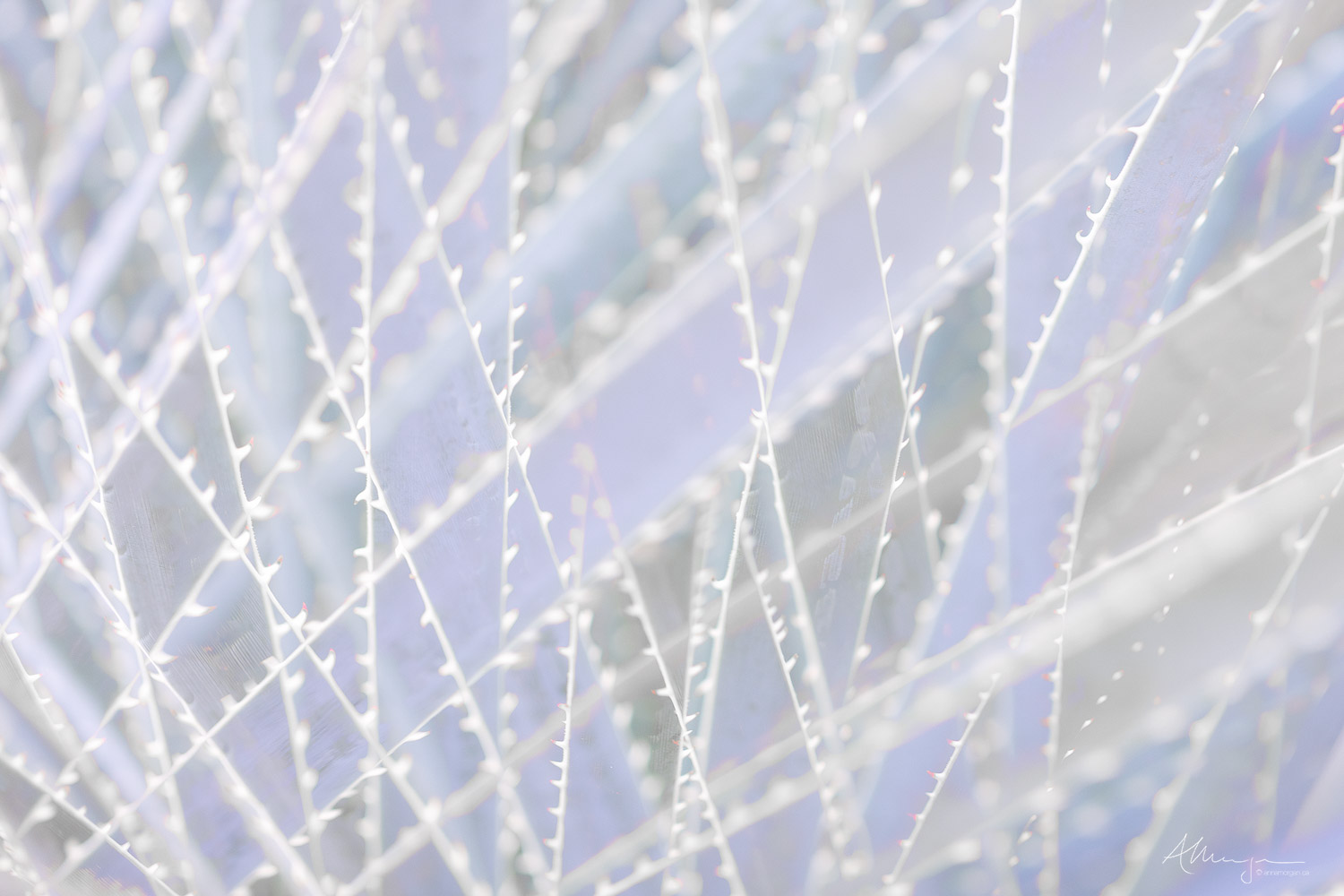
Finding meaning in fragments rather than a single grand narrative.
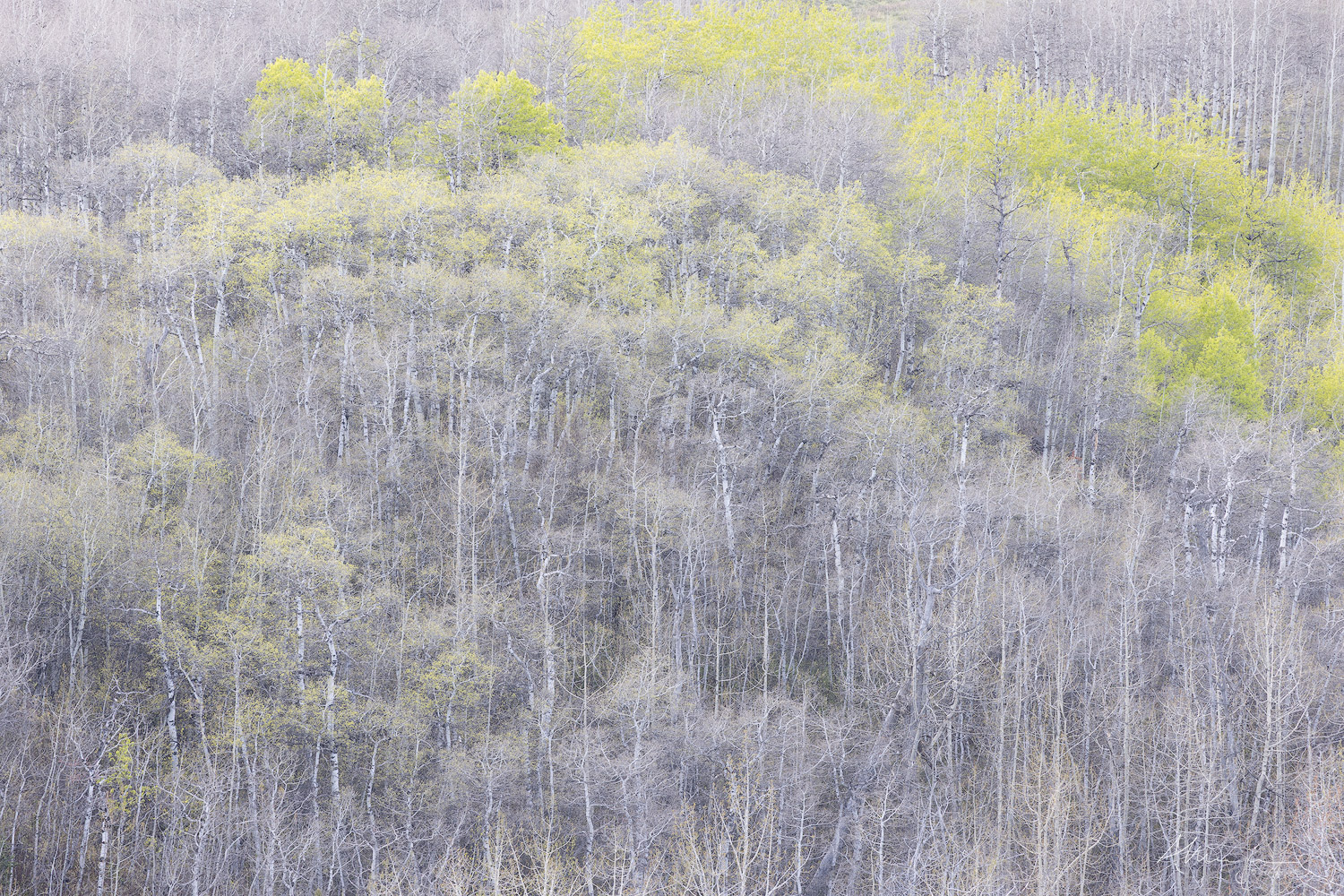
As winter transforms to spring so too do the trees; what was waiting inside emerges from beneath the surface.
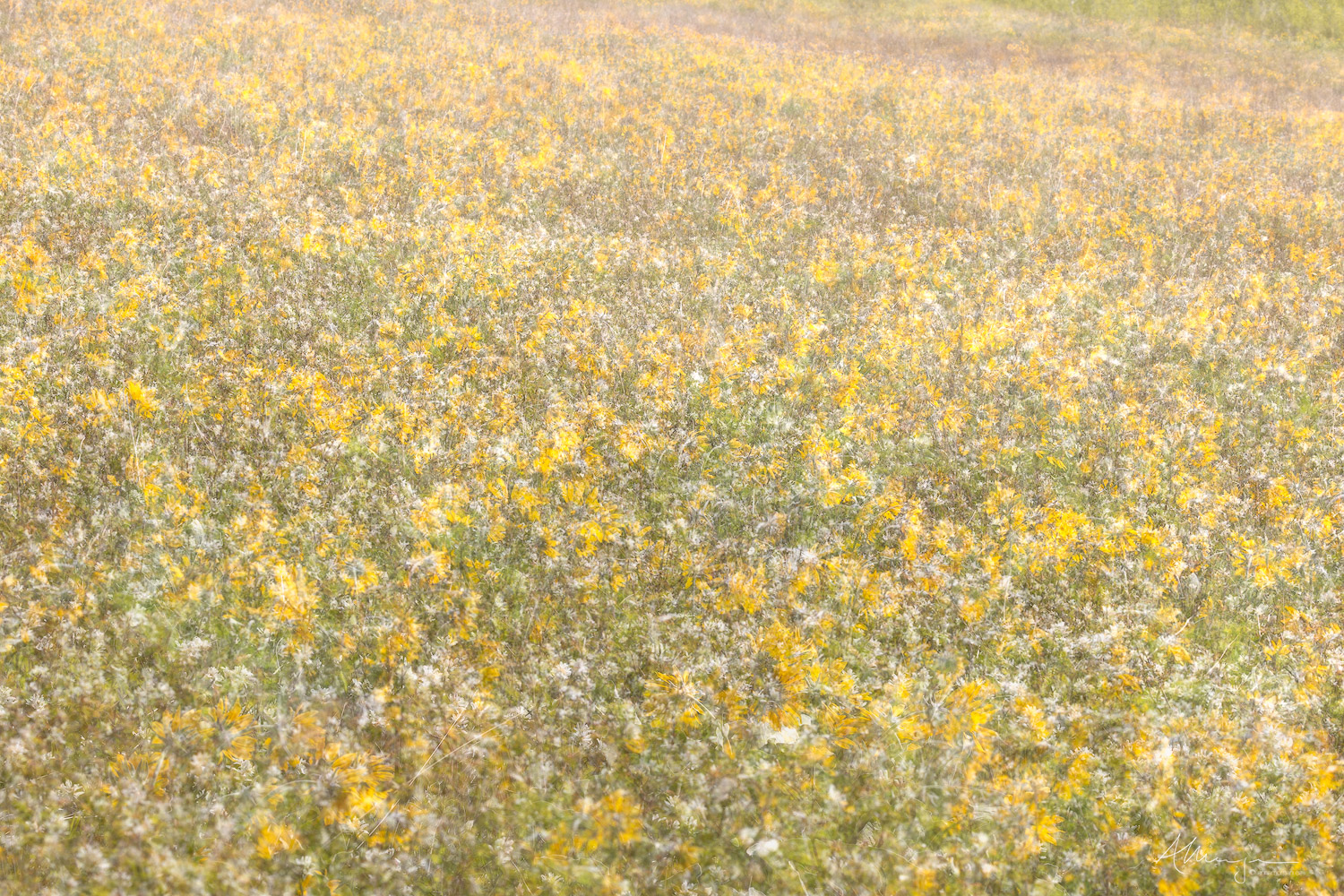
Summer's reach over the prairie extends into this endless views of flowers in bloom.
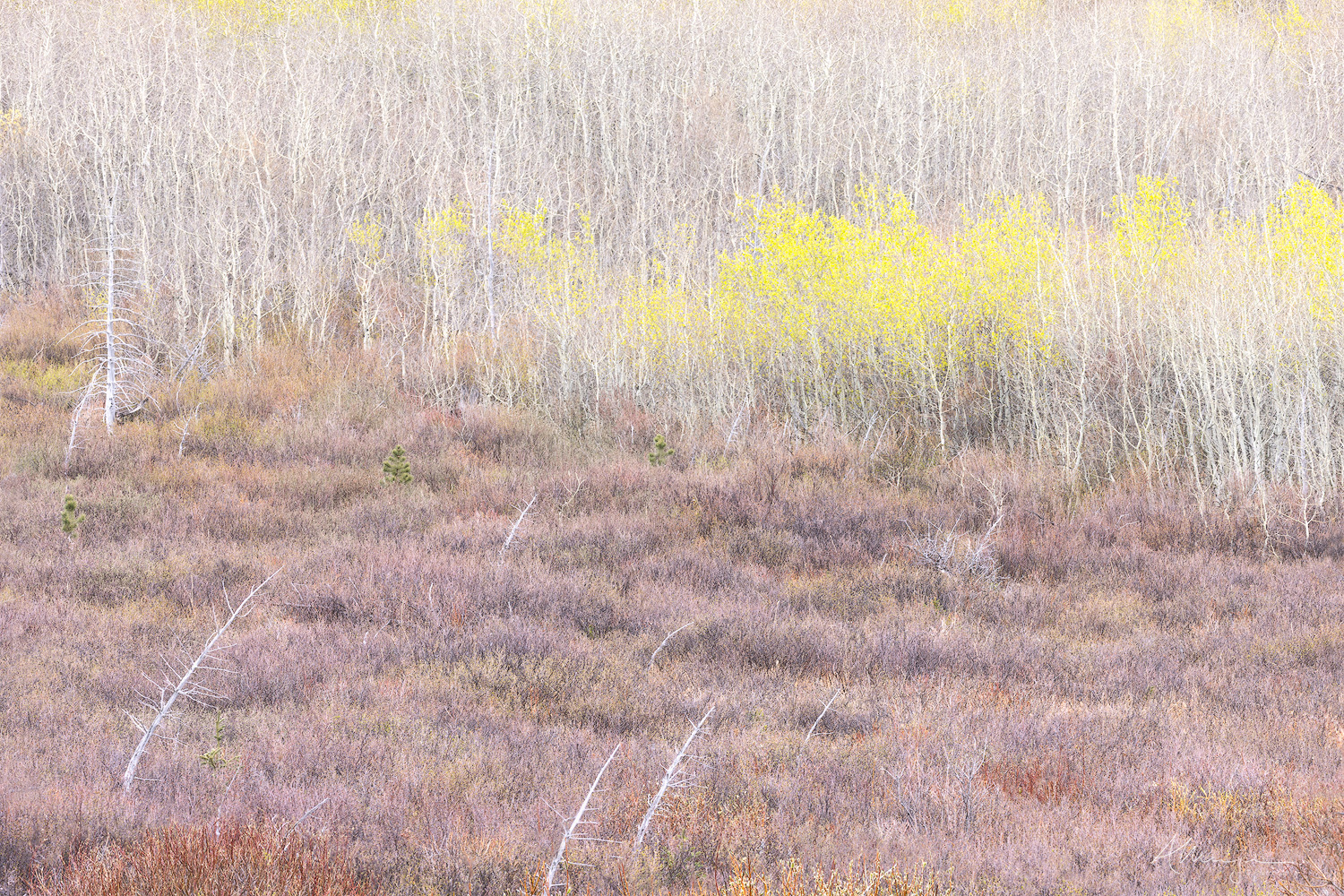
Spring transforms the landscape as the aspens leaf out, rising from a sea of willow.
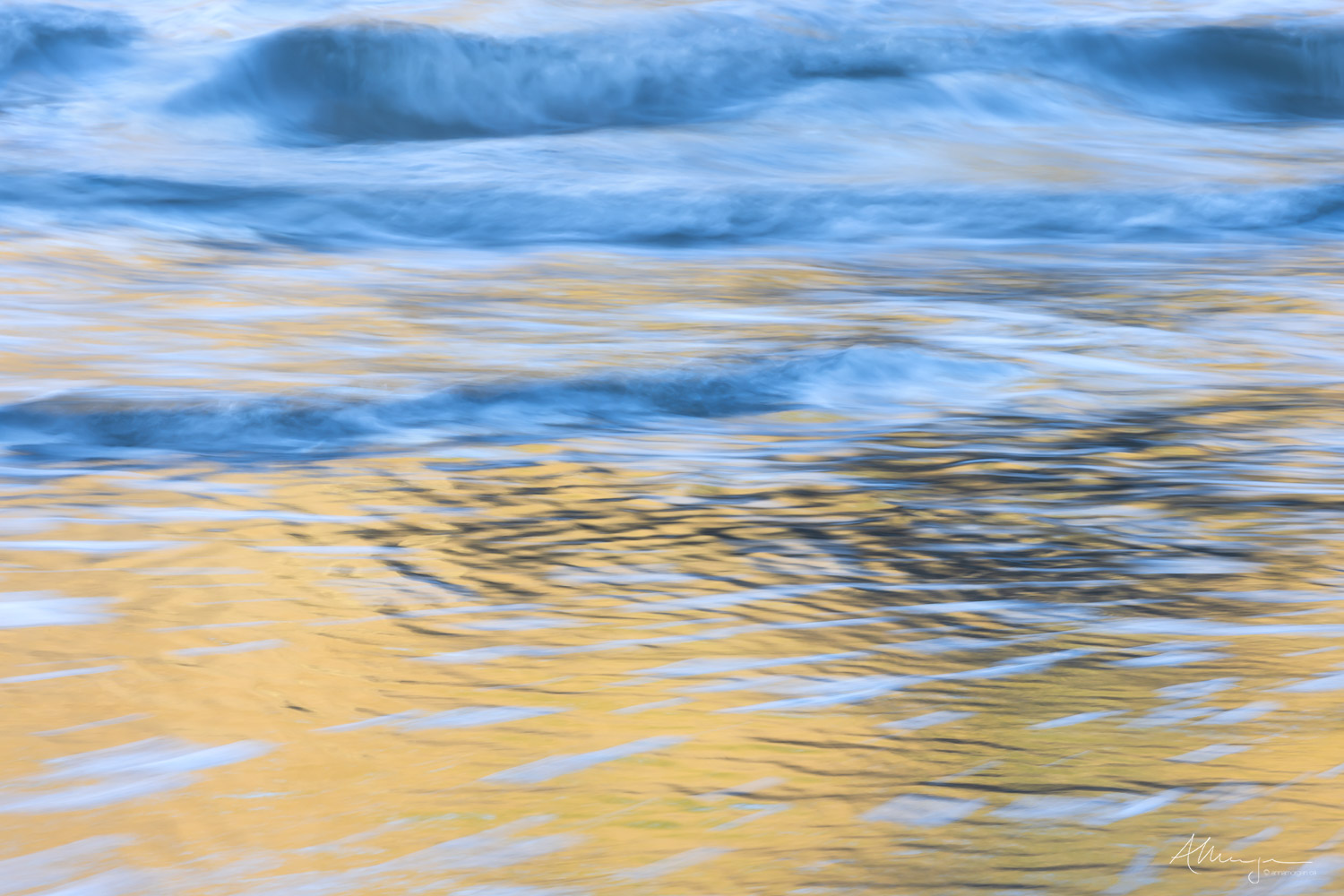
Sunrise gold reflected in the shallow ebb of the wave - a true treasure on the west coast of the Pacific Northwest
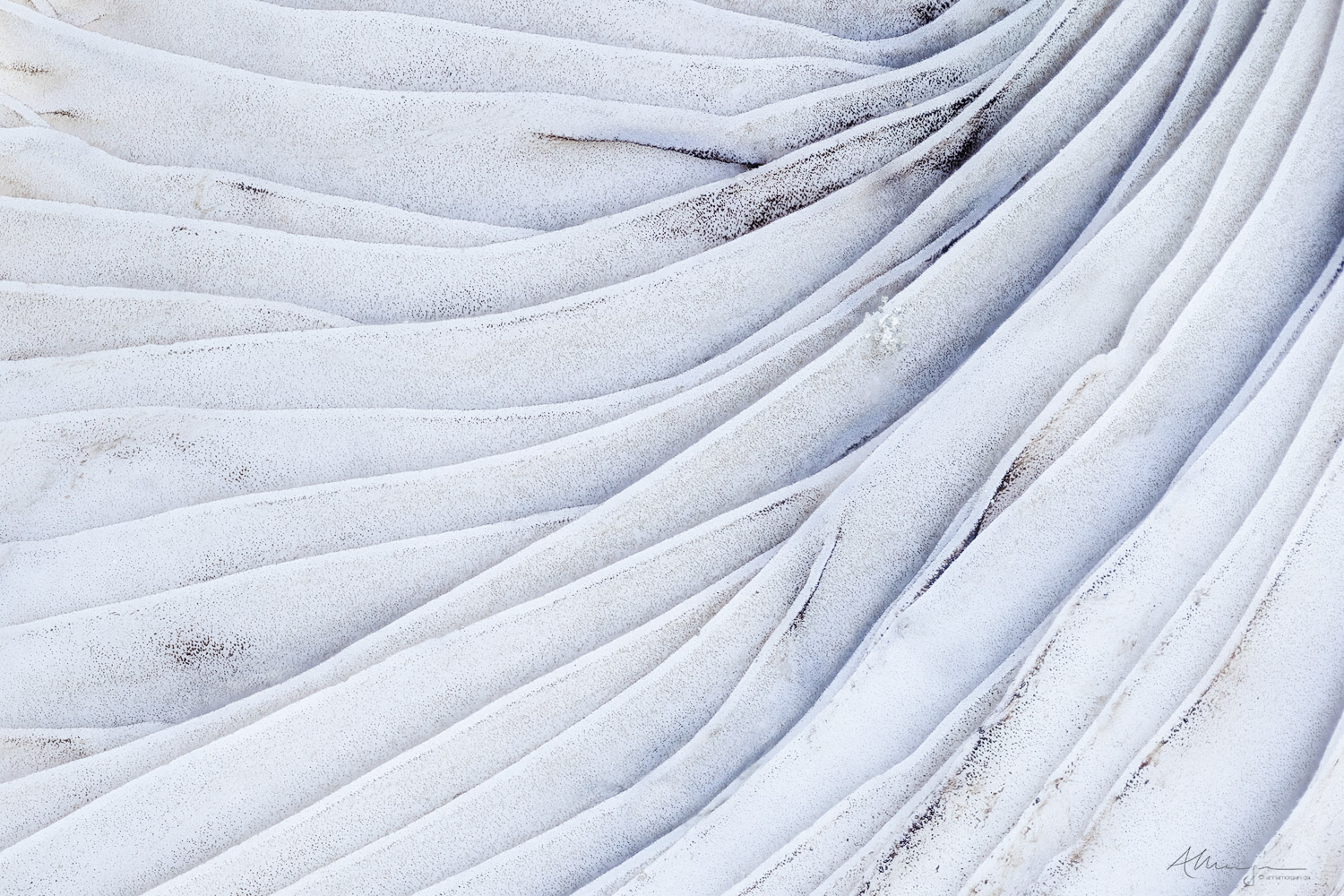
A tiny lichen sits on the underside of a fallen mushroom's gills
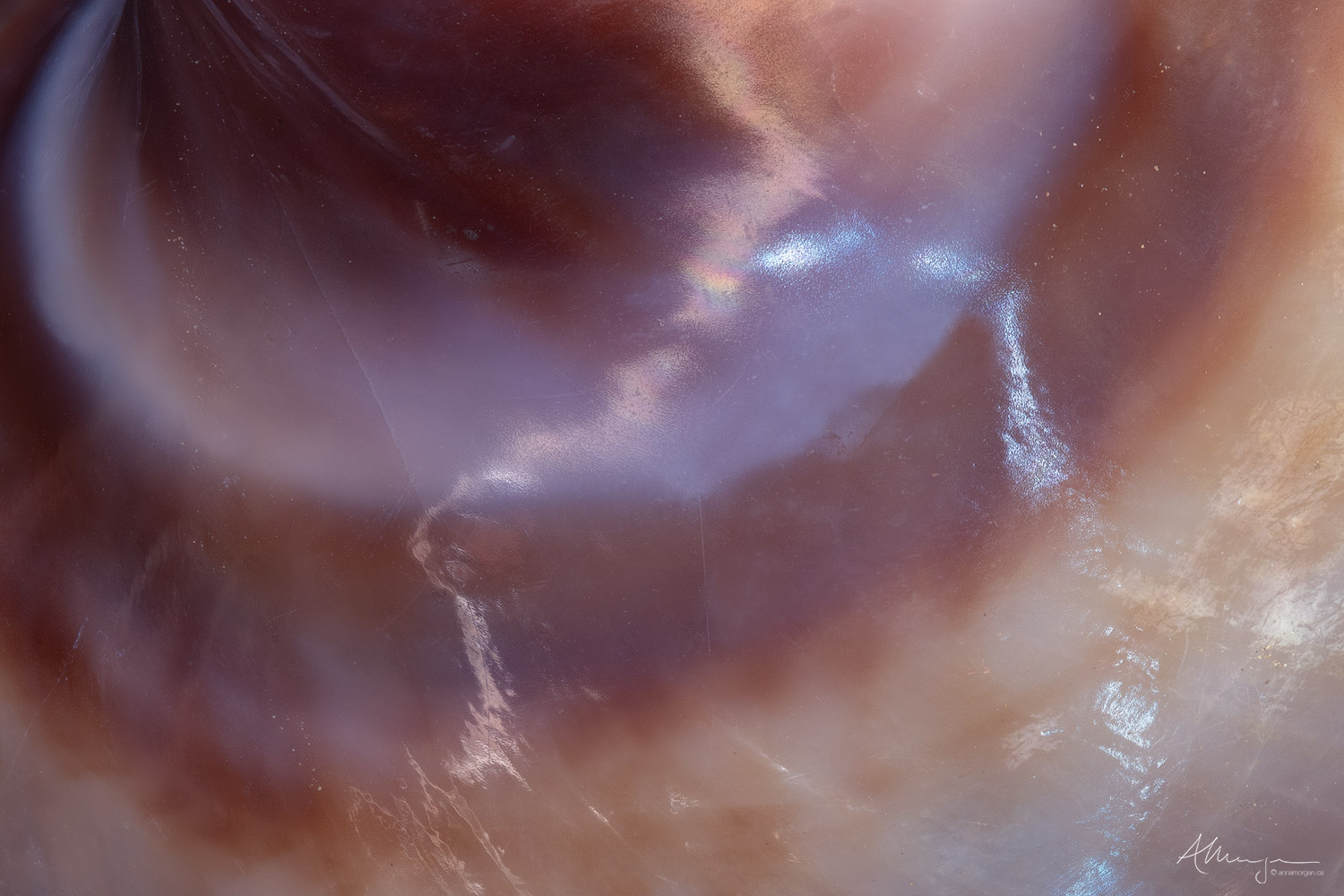
Light reflects on the inside of a moon snail.