
The Price of Placelessness
In preparation for the release of a new ebook, The Nature of Place: Personal Narratives in Landscape Photography, that I have co-authored with Circle of Light, I have been contemplating again about the relevance of place in our modern, global world and the price that we pay, both individually and societally, when we lose our connection to place.
The individual and collective effects of displacement on a person or community are wide-ranging and well documented. Whether displacement results from war, colonisation, climate change, development projects, family breakdown or the loss of work, it disrupts place, identity, safety, and belonging - the consequences of which continue to ripple outwards and are inherited by future generations. Although news headlines are often dominated by stories of displacement, less attention is afforded to the concept of placelessness for which the outcomes can be just as far-reaching. It is likely that most of you reading this essay will have experienced placelessness to a degree.
Placelessness is a socio-spatial condition characterised by the erosion, homogenisation, or absence of meaningful attachment between individuals or communities, and specific geographic locations. It encompasses both the experiential loss of rootedness or existential belonging, and the material production of standardised, interchangeable landscapes that lack distinctive cultural, historical, or relational identity. Spaces that could be anywhere such as airports, offices, chain stores or anonymous suburbs are considered placeless environments. These places essentially contain interchangeable, faceless buildings or spaces that strip the environment of their distinctiveness to the point that they are no longer unique. This uniformity has arisen over time as a result of globalisation, commodification and technocratic planning designed primarily for efficiency and profit.
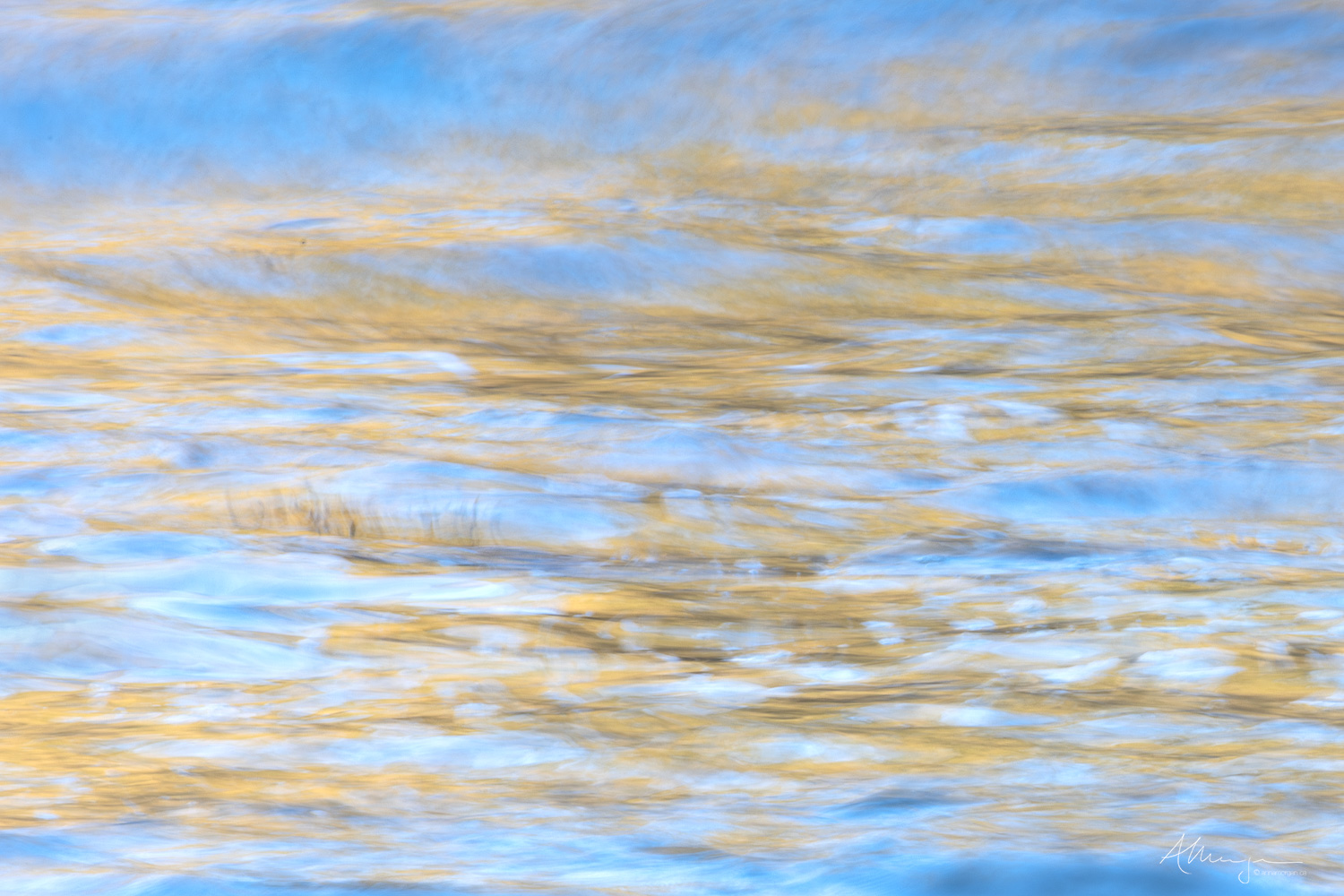
Place is not simply a geographical or physical setting; it is a lived and relational experience shaped by human activity and by the emotional, cultural, and symbolic attachments they harbour. Meaning arises from long familiarity, shared memory and everyday practice which together shape identity and cultivate our sense of belonging. In other words, place contributes to how individuals and communities come to understand who they are.
Conversely, when place loses its identity and becomes interchangeable, people experience a detachment from the socio-cultural and spatial contexts that shaped their identity. The price is existentially damaging; alienation, loss of belonging, erosion of meaning, and a thinning of lived experience, even when these effects unfold insidiously over decades, persisting into future generations.
My first more nuanced understanding of the importance of place was through studying case studies related to the outcomes of conservation projects. Historically, conservation initiatives and planning frameworks across the world have been dominated by a colonial-scientific approach with little regard for local knowledge, cultural meaning, or community agency. Scientific authority has frequently been used as justification, especially when priorities - usually under donor influence - are set externally rather than at a local level. The exclusionary “fortress” model of conservation - of which the first prominent example was the establishment of Yellowstone National Park in 1872 - has essentially been exported globally as an idea resulting in the replication of exclusionary parks and marginalisation of indigenous and local communities.
Of course, not all top-down conservation fails from an ecological perspective. However, there are many well-documented cases in which externally-imposed, prescriptive approaches have struggled to achieve lasting success. It is widely recognised that conservation initiatives that ignore place-based identity, local governance, and customary land relations are more likely to encounter resistance, thereby undermining long-term ecological outcomes. In Tanzania, for example, the decision to evict Parakuyo and Maasai pastoralists from Mkomazi National Park (formerly Mkomazi Game Reserve) in the 1980s illustrates the enduring tensions embedded within exclusionary conservation. The transformation of Mkomazi into a tightly regulated protected area, supported by international funding and species reintroduction programmes, reconfigured the landscape into a wildlife spectacle valued for its biodiversity, visual appeal, and global conservation status rather than for its lived cultural meaning. The evictions eroded local trust in conservation institutions, and when pastoralist communities subsequently lost their legal battle asserting customary rights to the reserve, this outcome further reinforced the asymmetry of power between local peoples and external actors.
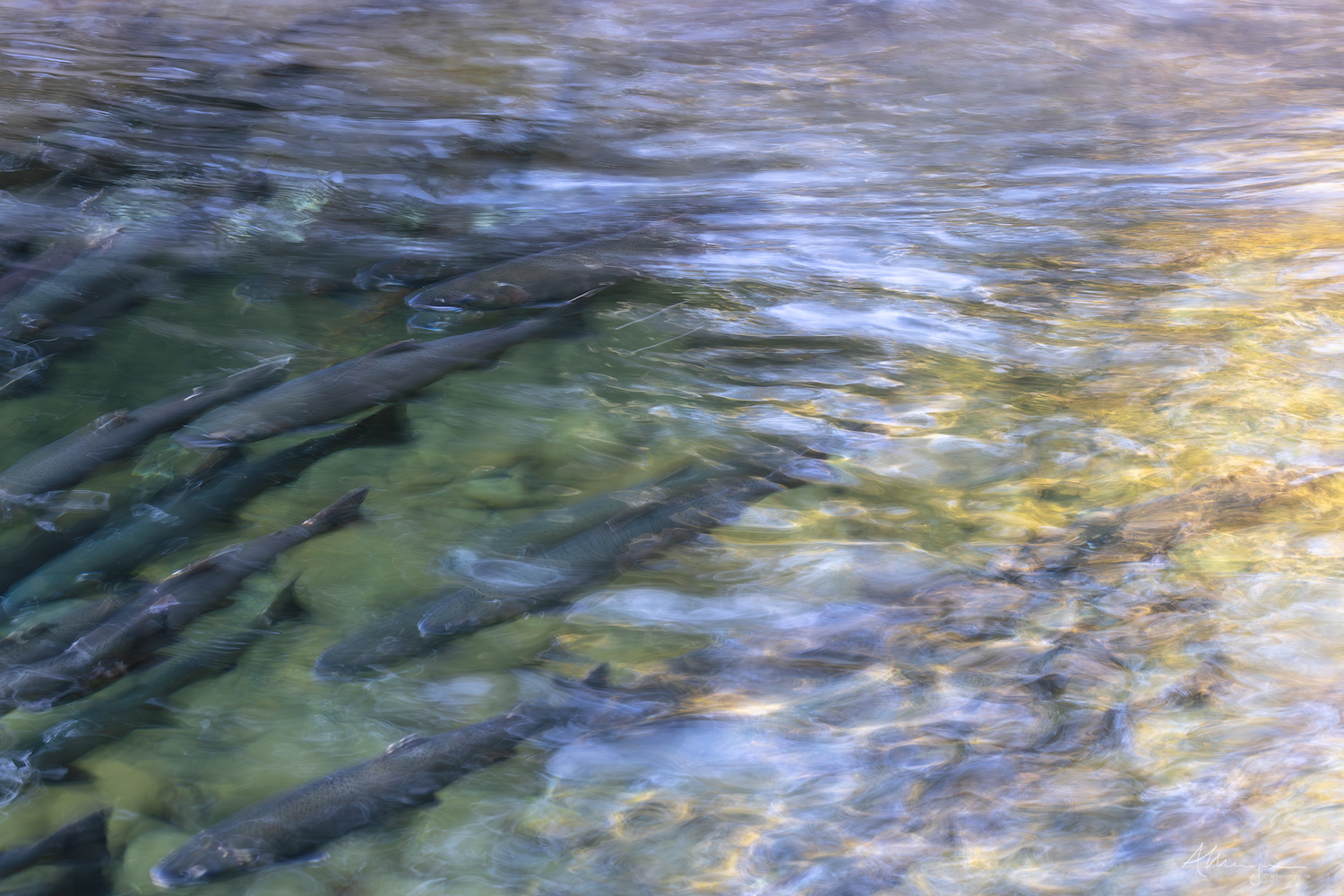
The persistence of similar conflicts elsewhere suggests that the lessons of Mkomazi have not always been fully appreciated, and conservation - with its associated power dynamics entrenched in colonial legacy - continues at times to repeat itself with similar consequences: loss of place attachment, alienation of local communities, the framing of landscapes as spectacles rather than lived places, and the structural violence of anonymity detaching people from their histories. Place is always local; place and conservation solutions cannot be scaled up, commodified or transported to other places.
A compelling example of what successful place-based conservation looks like is found close to the place I now call home, in the Great Bear Rainforest - the largest intact coastal temperate rainforest to be found anywhere on Earth. In the late twentieth century, extensive clear cut commercial logging threatened vast areas of old-growth forest in what became known as the “War in the Woods”. In response, power dynamics were renegotiated and governance structures reimagined through a series of landmark agreements between First Nations, environmental NGOs, logging companies and government. Conservation objectives are now rooted in traditional ecological knowledge and defined by cultural continuity as well as ecological metrics, marking a significant step toward relational place-based governance. Here, place-based attachments and moral geographies inform both ecological stewardship and sustainable communities holding what is culturally sacred hand in hand with ecological health.
Yet even this hopeful model raises a broader question: If conservation can be reimagined in ways that deepen attachment to place, can nature still become placeless through other forces? Governance is only one dimension of how landscapes are shaped and understood. Representation, tourism, and global consumption also transform the meaning of nature.
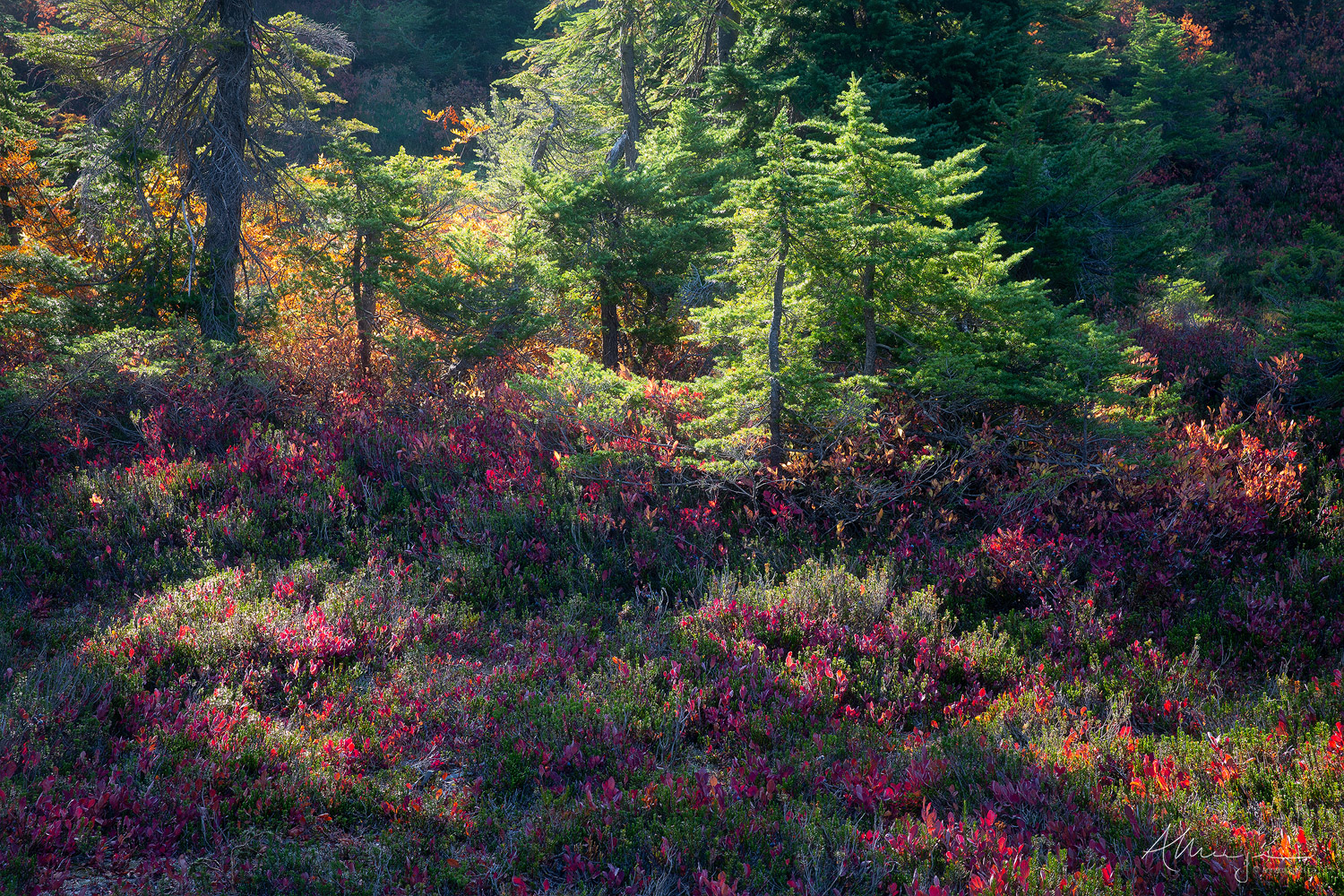
Nature-based tourism has become a colossal industry. Even national parks - working legacies of fortress-style conservation - are imagined and marketed as pristine and authentic, functioning as spectacles which are curated through a series of trails, viewpoints and visitor infrastructure designed to deliver predictable experiences which are replicated from one park to the next. These spaces are often reduced to boxes for people to check off their bucket lists, or backdrops for recreation and selfies. As spectacles to be consumed, they too become interchangeable. Placelessness is not a concept that is confined to the urban or suburban environment - mass tourism significantly influences the cultural meaning attached to natural and protected spaces.
In Place and Placelessness, Relph compares Heidegger’s ontological concept of “dwelling’ as a mutually constitutive lived experience to his own thoughts on visiting, which he argues is associated with a superficial engagement with place that does not lead to mutual transformation. Relph uses these concepts to distinguish between rooted and placeless experiences, and to explain why some places fail to foster meaningful connections. The danger he argues is not just about sameness, but indifference - where place no longer matters. Modern systems, which includes the governance of natural spaces, increasingly encourage visiting.
Aside from the loss of ecological knowledge and displacement of people from their traditional lands that I have already touched on, the price of placelessness in natural spaces includes a certain detachment to the landscape and the forces that shaped it, and a shift towards experiencing nature as escape rather than relation. Protection without intimacy therefore is fragile; care does not last if there is no meaningful attachment.
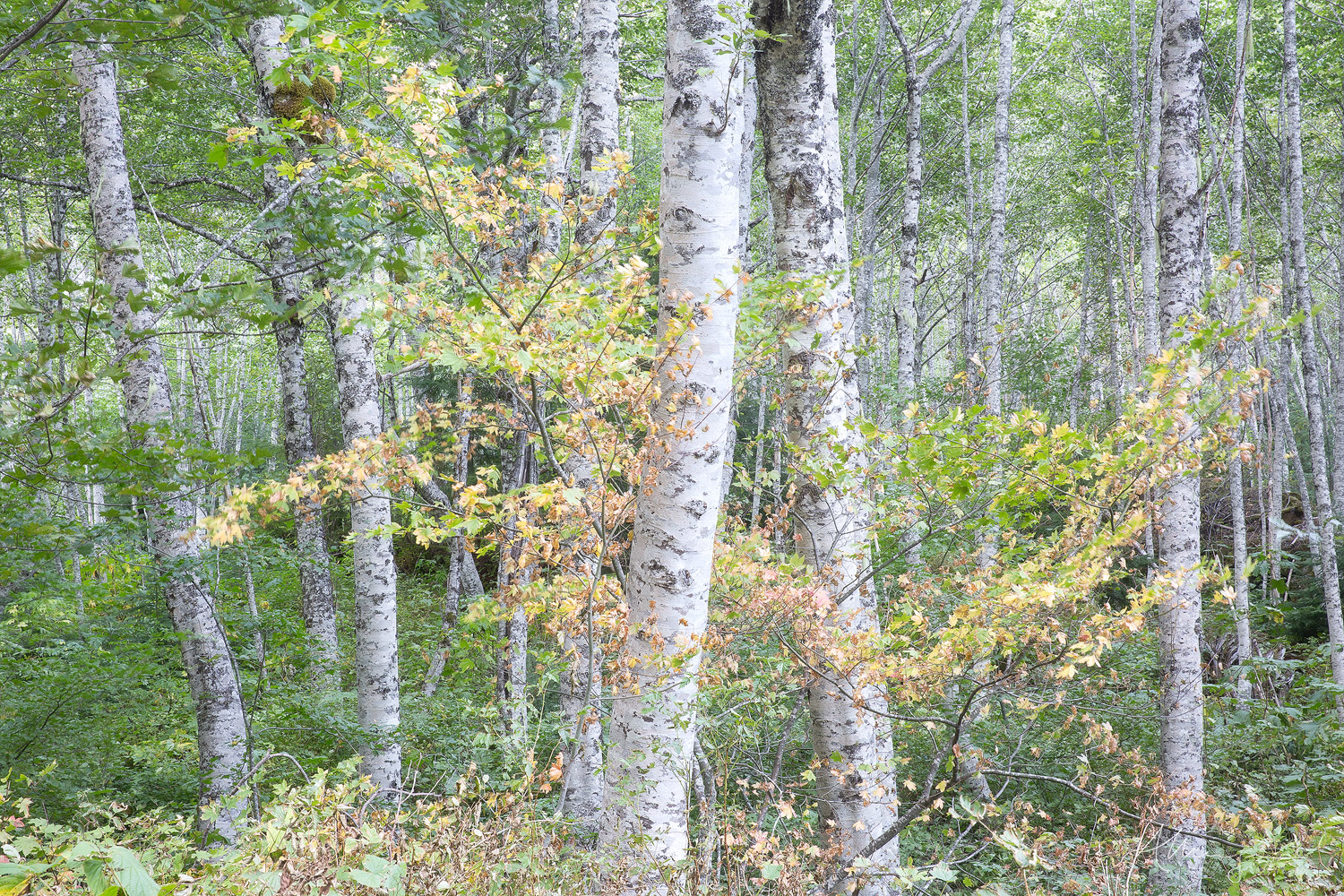
Nature photography exemplifies how modern engagement with landscapes can both reveal and reproduce placelessness. Like tourism infrastructure, photographs mediate how nature is seen, often privileging visually striking or iconic moments over the lived, relational qualities of place or the embodied experience. In Relph’s terms, photography can reinforce a model of visiting rather than dwelling - a photographer might experience the landscape at a distance, engaging with its scenery rather than its meaning, and the reciprocity between photographer and place is diminished. Nature consumed aesthetically risks becoming placeless.
When natural spaces are framed primarily as images to consume, universal aesthetic appeal and spectacle are typically prioritised though perhaps not always consciously. Meanwhile, ecological knowledge, cultural meaning, and relational intimacy are usually sidelined. In this way, photography participates in the same dynamics as mass tourism and fortress-style conservation, producing interchangeable, commodified visions of nature that risk eroding attachment and care.
And yet photography, along with other visual arts, holds the potential to recover thick experience, or at least acknowledge its fragility, by privileging small details and refusing the spectacle of grand overviews. When approached with attention to context, history, and nature-culture relationships, photography can cultivate awareness, stewardship, and ethical reflection, transforming visiting into a form of dwelling. By engaging more deeply, photographers can counteract the detachment, indifference, and loss of meaning that placelessness produces, reminding us that the ethical and cultural life of landscapes depends as much on our care as their ecological preservation.
As the world becomes increasingly placeless, might the most vital work of nature photography be to recognise and restore the lived experience of place - work which embodies both ethical and ecological responsibility?
Circle of Light is a collaboration between six landscape and nature photographers: Charlotte Gibb, Claudia Welsh, Jennifer Renwick, Michele Sons, Sarah Marino and myself. Our mission is to elevate the art of nature photography by thoughtfully exploring beyond the conventional boundaries of our craft, with the goal of fostering a broader range of personal expression and creative flourishing. Our first project, The Nature of Place: Personal Narratives in Landscape Photography, will be released in late April 2026.
RECOMMENDED READING:
Relph, E (1976). Place and Placelessness. London: Pion.