Meeting the Future
A couple of years ago I wrote an article for Nature Photographer’s Network (NPN) called On Looking which I was reminded of recently when I saw the most recent work from the renowned graffiti artist, Banksy, circulating online. He is known of course for using public displays of his work as social commentary and political activism. This particular work, “I want to be what you saw in me” especially grabbed my attention since Plato’s Allegory of the Cave has frequently been cited by photography theorists and I often talk about these potential differences between belief and reality - in photography and elsewhere - and where truth fits into that picture.
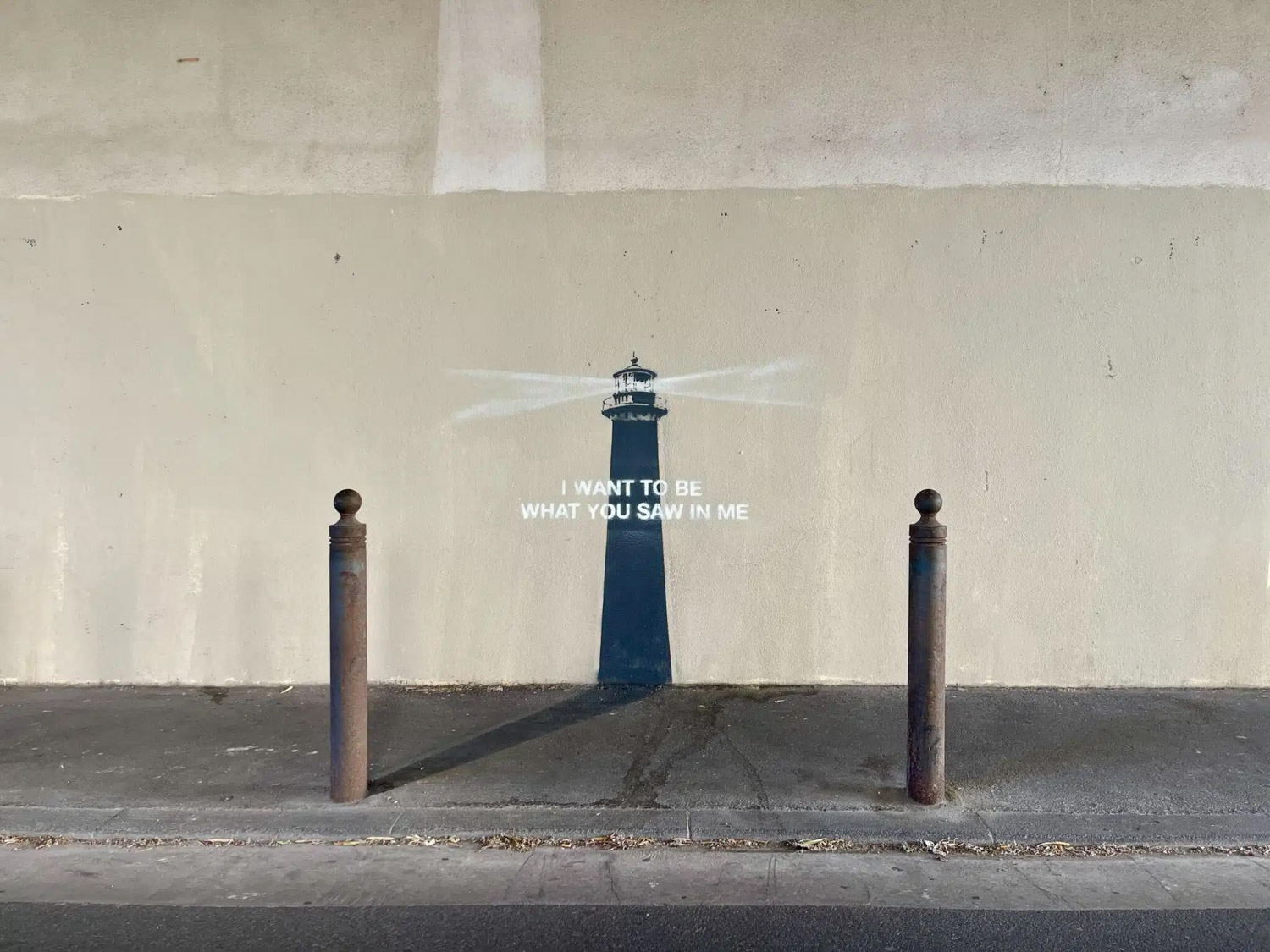
I WANT TO BE WHAT YOU SAW IN ME - Banksy (2025)
© Olivia Chaber
For centuries, the work of the eye has had a powerful influence across culture and philosophy where seeing has been used as a powerful, figurative metaphor for how we perceive truth, reality and knowledge. Since at least as far back as the Allegory of the Cave, in which Plato emphasizes the differences between belief and reality, much has been written about how seeing informs knowing and epistemological inquiry. Given that vision and picture making are the speciality of art, it seems only natural that these metaphors have been entangled and entwined into art and photographic theory. Photography changed the field of human vision in ways that Plato and others could never have predicted. Capturing isolated moments in time was not possible before the 1850s and, when society confronted the idea of the ‘spectacle’ - the image in mass or popular culture - in the late 1970s, photography was opened up to the broad postmodernist narratives being explored in other disciplines. Postmodern critique has, in particular, drawn out comparisons between the perspective of the camera and that of the human eye in its examination of truth, representation and the construction of meaning.
Vision and aesthetics have a history which has been modified over time and which has been distributed within ‘approved’ historical narratives. As John Berger alluded to in Ways of Seeing (1972), the way we see art, specifically, has been manipulated by a privileged minority to preserve their social and economic dominance – unconsciously or otherwise. It is interesting that his texts have also contributed to a shift in the ways we see ‘the image’. In other words, the eye does not work alone. Seeing requires perception on the part of the person who is doing the looking. What someone sees is directly impacted by the ideologies that influence interpretation, and the time and space of its origin. Seeing is brought to life as an encounter of authorship where there is a relationship of meaning between the perceiving subject (the photographer) and the perceived object, within their socio-cultural surroundings.Excerpt from my article in Nature Vision Magazine (2023)
In Plato’s allegory, the shadows and sounds are the prisoner’s reality which he suggests are not true representations of real objects since shadows can only ever be distorted copies. The real objects however, are the ‘true’ forms which can be perceived through reason. Banksy, in his latest work, has turned this allegory on its head by suggesting that the shadow (the lighthouse) is more notable than the real bollard. Moreover, the fact it is a lighthouse, their beacons of light a well known symbol of direction, guidance and security, eludes to the fact it, the shadow, is capable of illuminating truth. By connecting to this history of ideas through his imagery and statement, Banksy is able to examine an existential dilemma; which is the real you, the person you are now or the one you are capable of becoming?
How might we apply these ideas to photography? How can photography practices help us meet the future and learn from the future as it emerges?
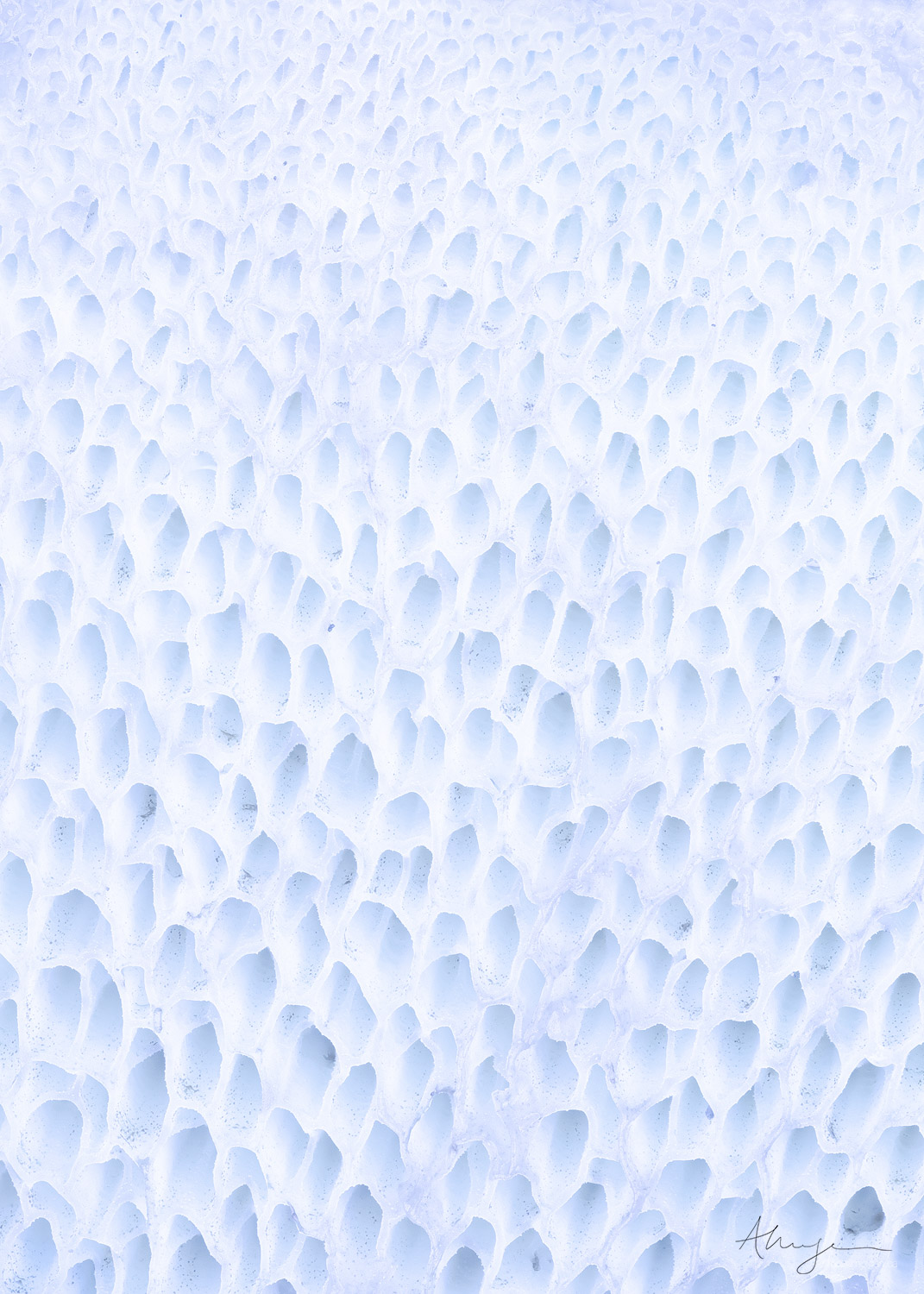
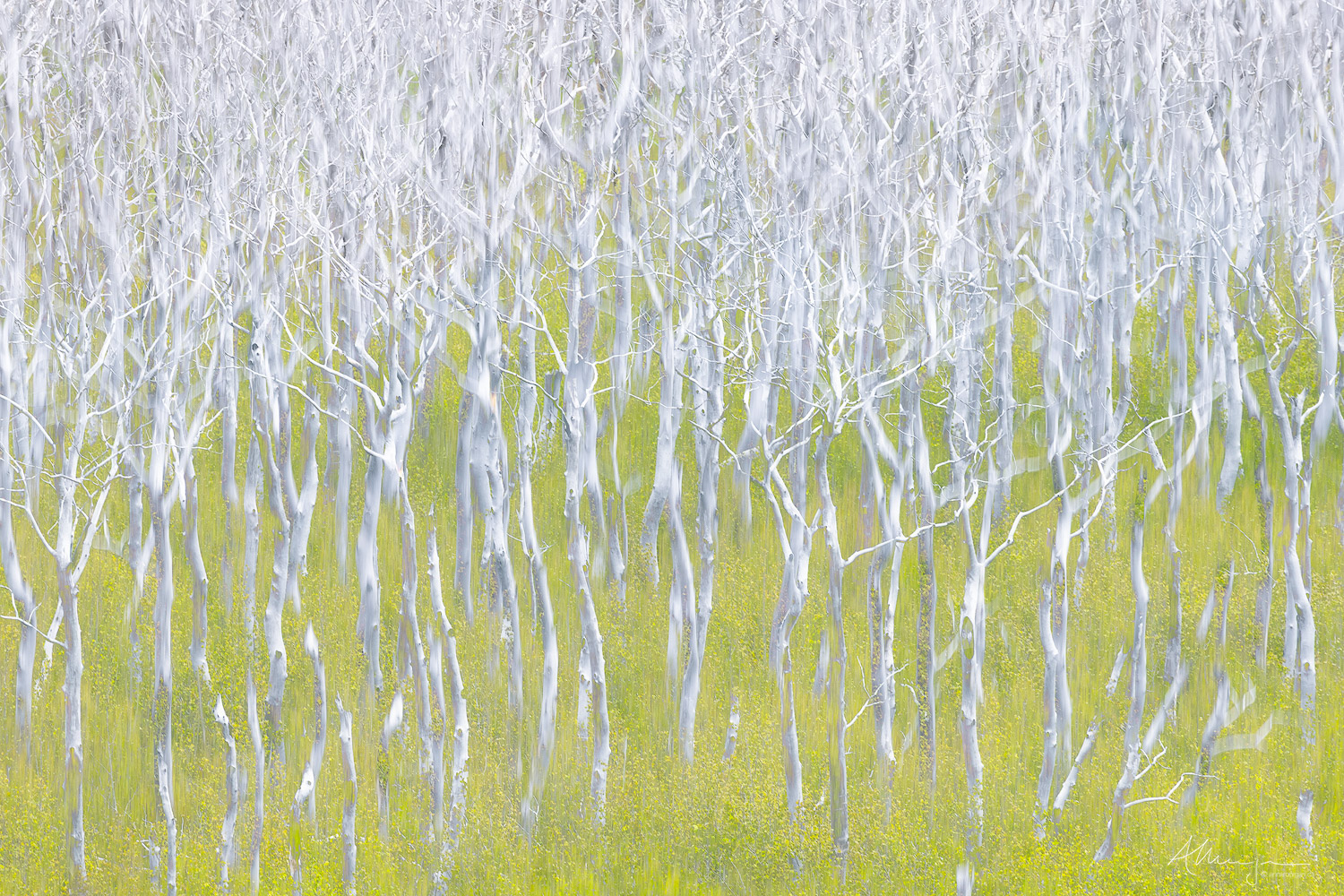
Observation is probably the most important of all photography practices. We can scratch the probably; it is completely foundational to photography. Like listening, observation is a skill that needs to be learned, practised and brought into the conscious mind. Looking from different perspectives both literally and figuratively will open the mind the and heart to understand the place the observer sees from. How might your beliefs be challenged this way and what might you learn about our personal constructions of meaning and aesthetics within deeper truths? Whether we are looking at a natural landscape, a person or a bollard, I would encourage you to look again and to develop a deeper quality of looking.
The purpose of looking is not to find anything (or photograph or see anything) but as an end in itself, a form of personal inquiry with no specific end goal. No camera is required for looking so it can be practised at any time though thoughtfully considering images we've made does help us untangle some of the habits we hold on to when observing. For me, looking is a way to engage with and participate in conversations with the natural world which are a part of who I am - and definitely not apart from who I am - and who I might yet be.